Modern organization
As the field of information technology continues to grow and expand, it impacts more and more organizations worldwide. The leaders within these organizations are challenged on a continuous basis to develop and implement programs that successfully apply information technology applications.
Managing Modern Organizations with Information Technology provides a collection of unique perspectives on the issues surrounding the management of information technology in organizations around the world and the ways in which these issues are addressed.
business process
A business process is an activity or set of activities that will accomplish a specific organizational goal. Business process management (BPM) is a systematic approach to improving those processes.
1. Business Process
Management (BPM)
is a field in operations management that focuses on improving corporate performance by managing and optimizing a company's business processes.It can therefore be described as a "process optimization process." It is argued that BPM enables organizations to be more efficient, more effective and more capable of change than a functionally focused, traditional hierarchical management approach. These processes can impact the cost and revenue generation of an organization.As a policy-making approach, BPM sees process.Also it isA management technique that includes methods and tools to support the design, analysis, implementation, management, and optimization of business processes.

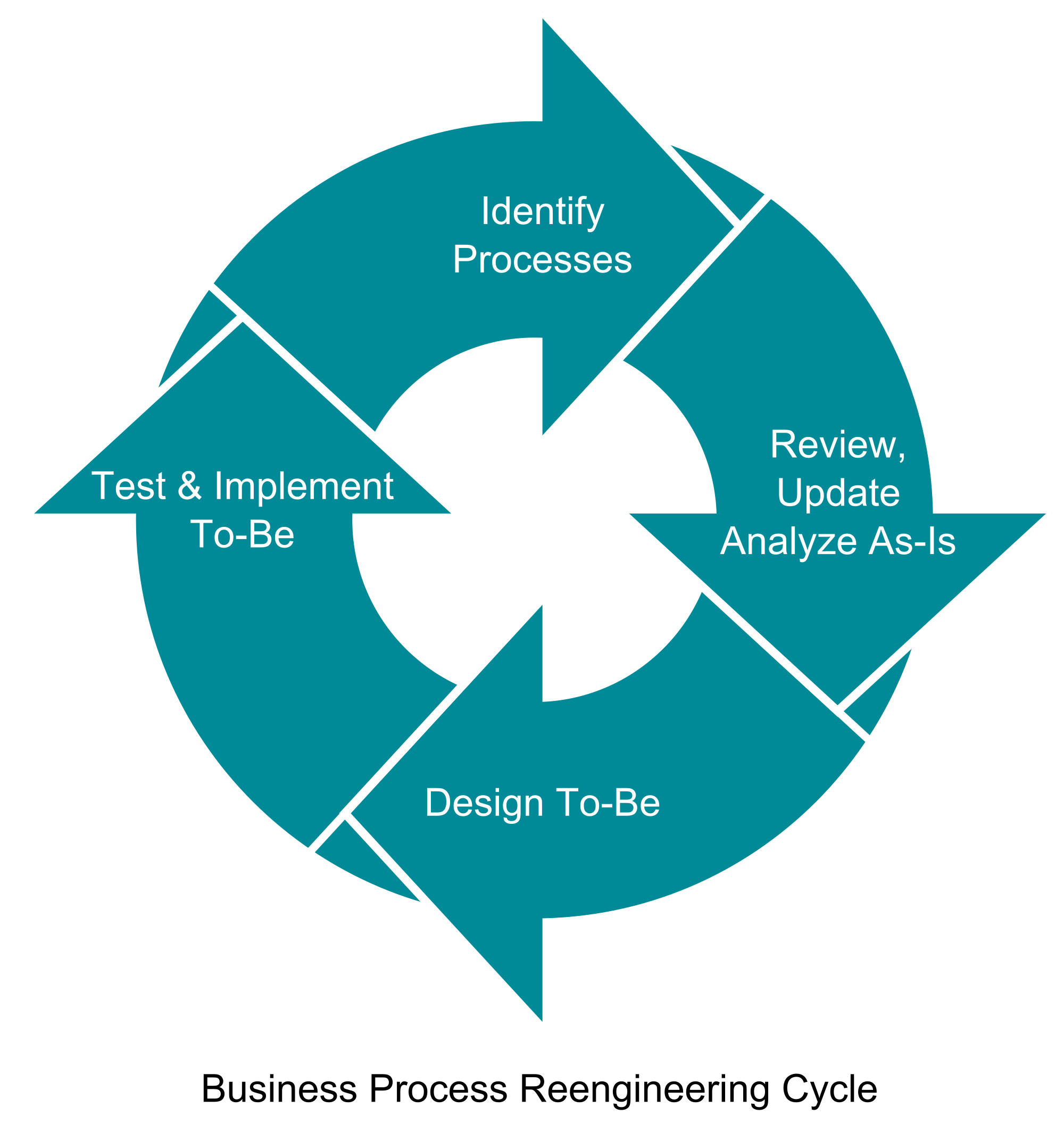
2. Business Process Re-engineering (BPR)
is a business management strategy, originally pioneered in the early 1990s, focusing on the analysis and design of workflows and business processes within an organization.
BPR aimed to help organization fundamentally rethink how they do their work in order to dramatically improve customer service, cut operational costs, and become world-class competitors.
Business Pressures
The business environment is the combination of social, legal,economic, physical, and political factor that affect business activities.
Significant changes in any of these factor are likely to create business pressure the organization.
Type of business pressure:
- market pressures
- technology pressures
- societal pressure
Pressures on organizations are generated by the:
- Global economy and strong competition facilitated by the global, web-based platform
- Changing nature of the workforce which is becoming more diversified
- Ability for workers to work from home
- Powerful customers whose expectations increase as the become more knowledgeable about products and services
- Technology innovations, and in some cases, information overload
- Societal issues or government regulations
Organizational
Responses
1) Strategic systems:
By adopting special technique that’s differentiate you from your competitors.
2) Customer focus:
By take care of profitable customer.
3) Make to order and mass customization:
Make to order by producing customized products and sevices. In.In mass customization you produces a large quantity of items, but it customize them to fit the desire of each customer.
Competitive Advantage and Strategic Information Systems
*Competitive Advantage:
An advantage over competitors in some
measure such as cost, quality, or speed, leads to control of a market and to
larger-than average profits.
*Strategic Information Systems:
provide a competitive advantage by
helping an organization to implement its strategic goals and to increase its
performance and productivity.
Porter’s Competitive Forces Model

Porter’s Value Chain Model
click here to know about porter's value chain model
Business
– Information Technology Alignment
The tight integration of the IT function
with the strategy, mission and goals of the organization. The IT function directly support the business objectives of the organization.

Characteristics
of Excellent Business-IT Alignment:
§ Organizations view IT as an engine of
innovation
§ Organizations view customers as
supremely important
§ Organizations provide goals that are
clear to IT function

No comments:
Post a Comment